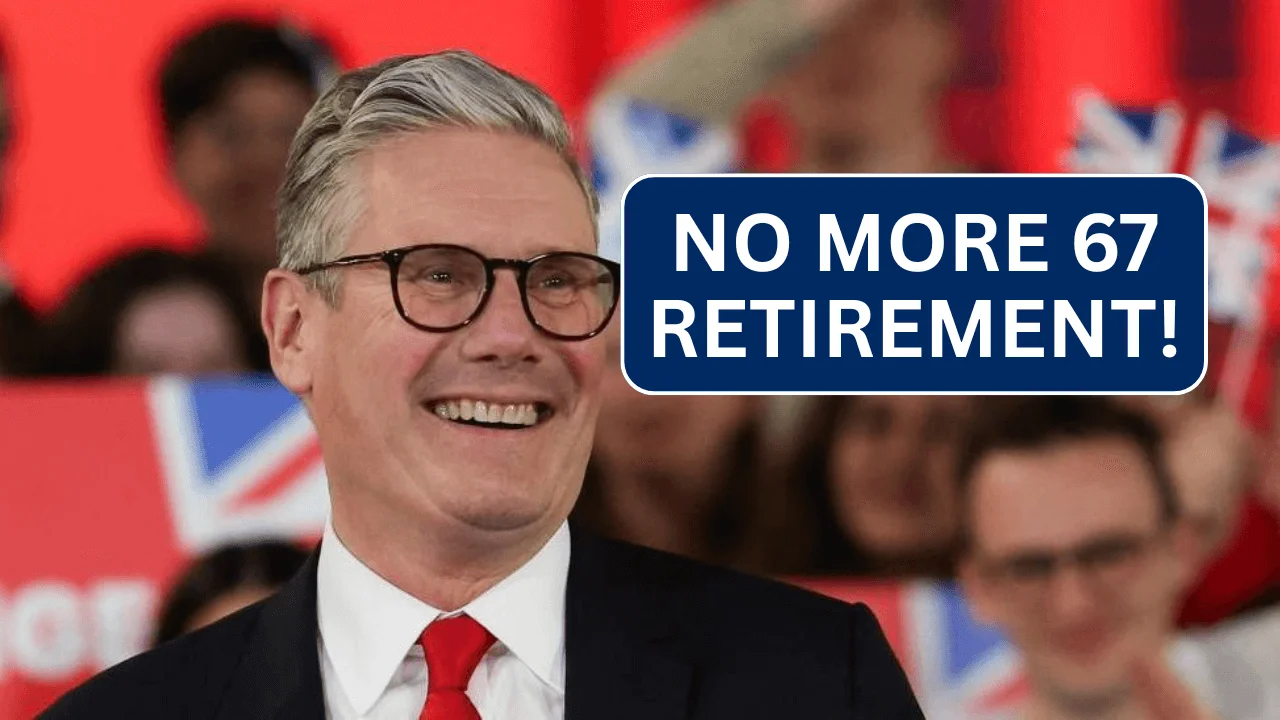
For many people across the UK, the idea of retiring at 67 has felt like a fixed milestone. It’s the age countless workers have had in mind when planning pensions, mortgages and long‑term savings. But with the UK Government confirming changes to the State Pension age timetable, that long‑standing expectation is shifting.
The phrase “goodbye to retiring at 67” doesn’t mean retirement is disappearing. It means that for many future retirees, the age at which they can claim their State Pension will move beyond 67. This has significant implications for financial planning, workplace pensions and expectations about later life.
Here is a clear, detailed and practical explanation of what the new State Pension age means, who will be affected and how to prepare.
The Current State Pension Age
The State Pension age has not stayed still over the past two decades. It has gradually increased in stages to reflect longer life expectancy and rising public spending pressures.
At present:
The State Pension age is 66.
It is legislated to rise to 67 between 2026 and 2028.
A further increase to 68 has already been set out in law.
This means that while some people will still receive their State Pension at 67, younger generations are likely to wait until 68.
What the Government Has Confirmed
The UK Government has confirmed that the planned rise in the State Pension age will proceed in line with existing legislation. The move forms part of long‑term pension sustainability planning overseen by the Department for Work and Pensions.
In practical terms, this means:
The increase to 67 will continue as scheduled.
The increase to 68 remains part of future planning.
Further reviews may take place as life expectancy changes.
For many working adults, this confirms that retiring at 67 will no longer align with the point at which the State Pension begins.
Why the Pension Age Is Rising
The decision is rooted in demographic change.
People are living longer than previous generations.
The number of pensioners is rising.
The ratio of working‑age taxpayers to retirees is shrinking.
The State Pension is funded through current taxation. As life expectancy increases, pension payments must stretch across longer retirement periods. Without raising the pension age, costs would grow significantly.
The government argues that gradual increases help maintain fairness between generations while keeping the system financially stable.
Who Is Most Affected
The impact depends largely on your date of birth.
If you are already receiving your State Pension, nothing changes.
If you are in your late 50s or early 60s, your pension age is likely already set at 66 or 67.
Younger workers — especially those in their 30s and 40s — are more likely to face a State Pension age of 68.
Those entering the workforce today should not assume 67 will be their retirement milestone.
Retirement Age vs State Pension Age
It’s important to separate two different ideas:
Retirement age – when you choose to stop working.
State Pension age – when you begin receiving your State Pension.
You are free to retire earlier than your State Pension age if you have the financial means to do so. However, you would need to rely on:
Workplace pensions
Private pensions
Savings
Investments
The State Pension age simply determines when government payments begin.
How This Affects Financial Planning
If your State Pension age rises from 67 to 68, you may need to fund an additional year of living expenses without that income.
For some, that could mean adjusting:
Workplace pension contributions
Personal savings targets
Retirement timelines
Investment strategies
Even one extra year without State Pension payments can significantly affect long‑term planning.
Workplace Pension Access
Most workplace and private pensions allow access from age 55, rising to 57 in 2028.
This provides flexibility. However, drawing pension funds earlier may reduce long‑term retirement income.
The gap between private pension access age and State Pension age is widening. Careful planning is essential to ensure funds last throughout retirement.
Life Expectancy and Future Reviews
State Pension age is reviewed periodically.
If life expectancy continues to rise, further increases beyond 68 could be considered in future decades. However, such changes require parliamentary approval and are usually announced well in advance.
The aim is to give workers time to adjust their plans.
Impact on Different Types of Workers
Not everyone experiences later working life in the same way.
Office‑based roles may be easier to continue into the late 60s.
Manual or physically demanding jobs can be more challenging.
Some workers may choose phased retirement, reducing hours rather than stopping work entirely.
Others may retrain or shift roles later in life to extend their careers comfortably.
Is the Value of the State Pension Changing
No.
The recent confirmation relates to the age of entitlement, not the amount paid.
The structure of the State Pension remains intact, and annual uprating policies continue under existing frameworks.
This means the payment itself is not being reduced as part of this change.
Public Reaction
Reactions to the confirmed timetable have been mixed.
Some people accept that longer life expectancy makes later retirement logical.
Others feel the burden falls disproportionately on workers in lower‑income or physically demanding roles.
Debates about fairness, affordability and longevity are likely to continue as pension reforms evolve.
Checking Your Official Pension Age
You should not rely on headlines alone.
The UK Government provides an official State Pension age calculator via GOV.UK. By entering your date of birth, you can see:
Your exact State Pension age
The date you will reach it
Your forecast pension amount
Knowing your specific age is essential for planning accurately.
Planning for a Pension Age of 68
If your State Pension age is 68, consider taking practical steps now:
Increase pension contributions where possible.
Review National Insurance records for gaps.
Pay voluntary contributions if needed.
Reduce high‑interest debt before retirement.
Explore flexible or part‑time work options later in life.
Small changes made early can compound significantly over time.
What This Means for Younger Generations
For those under 40, the State Pension age of 68 may feel distant.
However, retirement planning benefits from early preparation. Assuming that government pension support will arrive later than previous generations experienced can help shape realistic expectations.
Building strong workplace pension contributions early in your career is one of the most effective steps you can take.
The Bigger Picture
The State Pension remains one of the foundations of retirement security in the UK.
However, demographic shifts mean it cannot remain static.
The confirmation that retiring at 67 will not apply universally reflects a broader transition toward longer working lives.
It does not remove the State Pension. It shifts the timeline.
Key Points to Remember
The State Pension age is currently 66.
It is rising to 67 between 2026 and 2028.
It is scheduled to rise to 68.
Your individual pension age depends on your date of birth.
You can retire earlier, but State Pension payments begin at your official pension age.
Final Thoughts
The phrase “goodbye to retiring at 67” captures a reality many workers are beginning to accept. For a growing number of people, 67 will no longer be the age at which the State Pension begins.
That does not mean retirement dreams must change. It means planning must adapt.
Checking your official pension age, reviewing your savings strategy and building flexibility into your retirement plans are all sensible steps.
Retirement remains achievable — but understanding when your State Pension will start is now more important than ever.