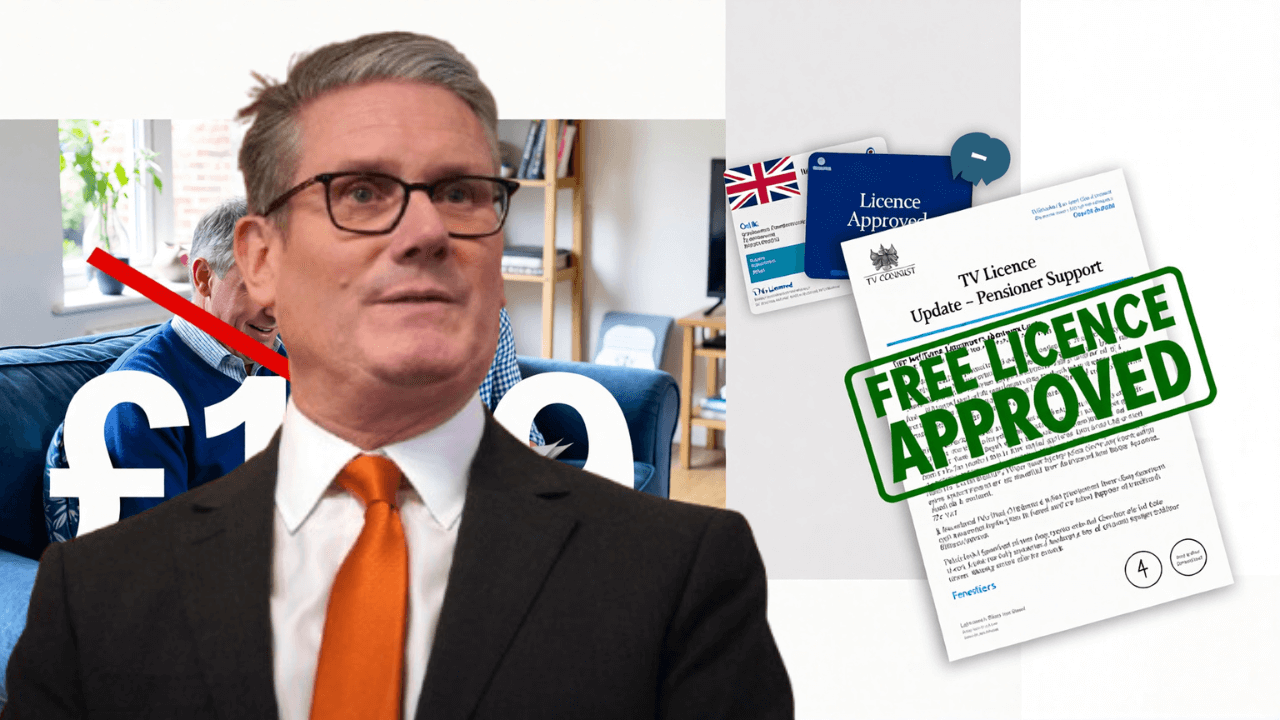
For many pensioners across the United Kingdom, managing household bills has become increasingly difficult. Rising costs for energy, groceries and other essentials mean that even relatively small expenses can make a difference to monthly budgets. One bill that often comes up in discussions among retirees is the cost of a television licence.
Recently, there has been significant attention surrounding reports that pensioners could receive a free TV licence. The idea has sparked interest among older residents who rely on television as a primary source of entertainment, news and companionship.
Understanding how the TV licence system works, who qualifies for exemptions and what government support is available is important for pensioners who want to reduce their living costs. The situation is slightly more complex than many headlines suggest, and it is helpful to understand the details behind the policy.
What the TV Licence Covers
In the United Kingdom, a television licence is required for households that watch or record live television broadcasts or use streaming services that show live TV.
The licence fee helps fund the operations of the BBC, the UK’s public service broadcaster. This funding supports television channels, radio stations, online news services and educational programming.
The standard annual TV licence fee applies to most households that watch live television or access BBC programmes through streaming services.
While some people view the licence fee as an essential contribution to public broadcasting, others have questioned the cost, particularly for pensioners living on fixed incomes.
Why the Issue Matters for Pensioners
For many retirees, television plays a central role in everyday life. It provides access to news, entertainment and information, while also helping reduce feelings of isolation for those who spend much of their time at home.
Because pension income is often limited, even modest household expenses can have a noticeable impact on monthly budgets.
Support schemes that reduce household bills can therefore make a meaningful difference for older residents.
Free TV Licences for Some Pensioners
Currently, not every pensioner automatically receives a free TV licence.
However, some older households can qualify for a free licence if they meet specific eligibility conditions.
In particular, households where someone aged 75 or over receives Pension Credit may qualify for a free TV licence.
This policy was introduced as a targeted form of support for pensioners with lower incomes.
By linking the free licence to Pension Credit eligibility, the system aims to ensure that support reaches those who may need it most.
How Pension Credit Links to the TV Licence
Pension Credit is a benefit designed to support pensioners whose income falls below a certain level.
It can provide additional weekly income and may also unlock access to several other forms of assistance.
These can include:
Free TV licences for eligible households
Council tax support
Energy bill assistance
Help with housing costs
Because of this, checking eligibility for Pension Credit can be extremely important for pensioners who want to maximise the support available to them.
Why There Is Debate About Universal Free Licences
There has been ongoing discussion about whether all pensioners should receive free TV licences.
Supporters of the idea argue that older residents have contributed to the system for decades through taxes and licence payments. They believe universal free licences would recognise those contributions and help retirees cope with rising living costs.
Critics, however, argue that universal free licences could place a significant financial burden on the broadcasting system and public finances.
Because of these concerns, policymakers have so far focused on targeted support rather than universal eligibility.
How the Current System Works
Under the existing arrangement, the free TV licence is available only to households that meet both of the following conditions:
Someone living in the household is aged 75 or older
That person receives Pension Credit
If these conditions are met, the household can apply for a free TV licence.
Once approved, the licence remains valid as long as eligibility continues.
Why Some Pensioners Still Pay the Licence Fee
Many pensioners do not qualify for Pension Credit because their income or savings exceed the eligibility thresholds.
As a result, they may still need to pay the standard licence fee even if they are over 75.
This has been a major point of debate among campaign groups that advocate for broader support for retirees.
Some organisations have called for expanded eligibility or alternative forms of assistance.
The Importance of Checking Eligibility
One of the most important steps pensioners can take is checking whether they qualify for Pension Credit.
A significant number of eligible pensioners do not claim the benefit each year.
This means they may miss out not only on extra income but also on additional support such as free TV licences.
Community organisations, advice services and government websites can help pensioners determine whether they qualify.
Other Support Available for Pensioners
Beyond the TV licence policy, the UK benefits system offers several forms of support for retirees.
For example, the Winter Fuel Payment provides assistance with heating costs during colder months.
Many pensioners also receive the State Pension, which forms the foundation of retirement income for millions of people.
Additional programmes may also provide help with housing costs, council tax and healthcare needs.
Why Cost‑of‑Living Support Is Important
Over the past few years, rising living costs have placed pressure on household finances across the UK.
Pensioners are particularly vulnerable to these changes because many rely on fixed incomes.
Support schemes that reduce household expenses can therefore play an important role in maintaining financial stability for older residents.
Even relatively small savings can help pensioners manage their monthly budgets more comfortably.
Avoiding Confusion About Policy Changes
When news about benefits and support schemes spreads online, headlines can sometimes create confusion.
Reports suggesting that all pensioners automatically receive free TV licences may not reflect the full details of current policies.
Understanding the exact eligibility rules helps pensioners avoid misunderstandings and ensures they take advantage of the support that is actually available.
Reliable information from official sources is always the best way to stay informed.
What Pensioners Should Do Now
If you are a pensioner or have family members who may qualify for additional support, it is worth taking a few simple steps.
Check whether you qualify for Pension Credit.
Review the eligibility rules for free TV licences.
Stay updated on changes to pensioner benefits.
Seek advice from trusted organisations if needed.
These steps can help ensure you receive any assistance you may be entitled to.
Key Points to Remember
Not all pensioners automatically receive a free TV licence.
Households with someone aged 75+ receiving Pension Credit may qualify.
Pension Credit can unlock several other forms of support.
Many eligible pensioners do not claim the benefits available to them.
Checking eligibility can help reduce household expenses.
Final Thoughts
The question of free TV licences for pensioners continues to attract attention because it highlights a broader issue: how best to support older citizens living on limited incomes.
While universal free licences have not been implemented, targeted support remains available for those who qualify through Pension Credit.
For many pensioners, understanding these eligibility rules can help unlock valuable assistance and reduce everyday living costs.
As discussions about pensioner support continue in the UK, staying informed and checking available benefits will remain essential steps for retirees seeking financial security in later life.