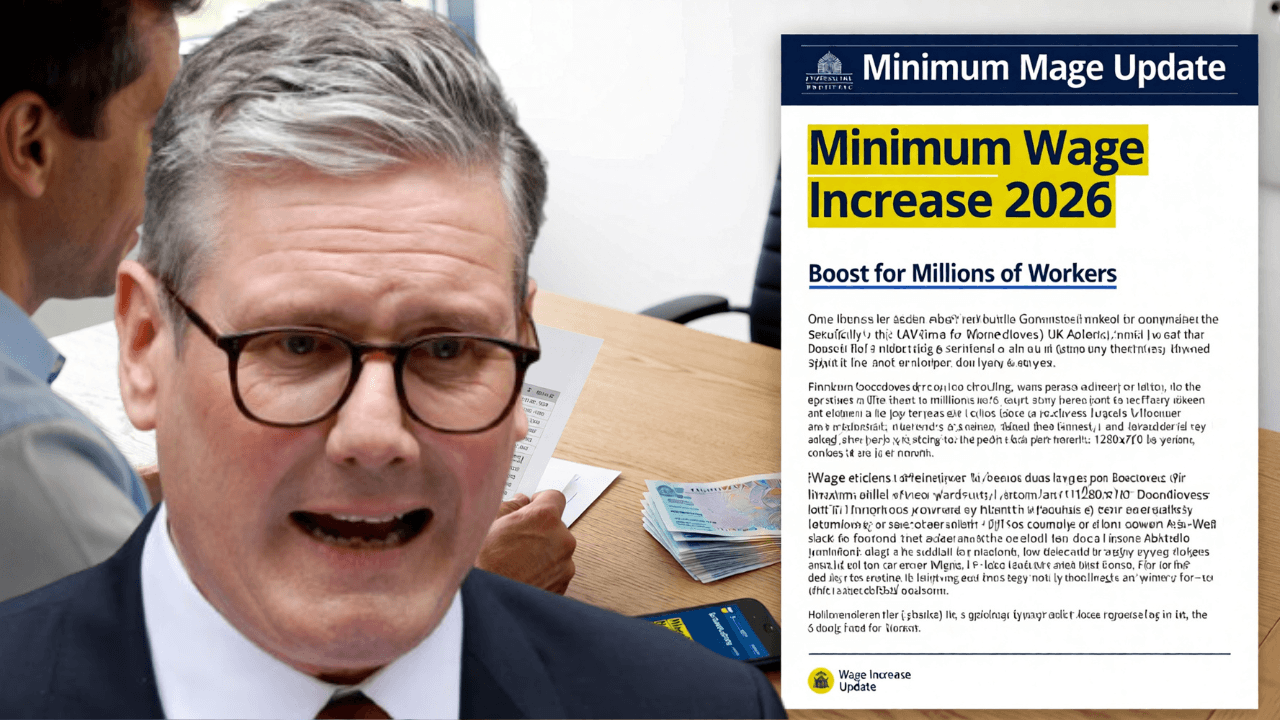
Millions of workers across the United Kingdom are set to receive a pay increase after the government confirmed new minimum wage rates that will come into effect in 2026. The decision is expected to benefit employees across several sectors, particularly those working in retail, hospitality, care services and other industries where minimum wage jobs are common.
The increase is part of the UK government’s ongoing effort to ensure wages keep pace with the rising cost of living. For many households, higher wages can make a significant difference when it comes to covering everyday expenses such as rent, food, transport and utility bills.
The new rates are based on recommendations from the Low Pay Commission and are implemented through the system known as the National Minimum Wage and the National Living Wage.
Understanding how the new minimum wage increase works, who will benefit and when the changes take effect can help workers and employers prepare for the update.
What the minimum wage is in the UK
The UK minimum wage system sets the lowest hourly rate that employers are legally allowed to pay workers.
The policy exists to protect employees from being paid unfairly low wages and to help maintain a basic standard of living.
Minimum wage rules apply to most workers in the UK, including full‑time employees, part‑time workers and some apprentices.
The system includes several wage categories depending on the worker’s age and employment status.
These include the National Living Wage for older workers and different National Minimum Wage rates for younger workers and apprentices.
The difference between the National Living Wage and Minimum Wage
Many people confuse the National Living Wage with the National Minimum Wage, but they are slightly different.
The National Living Wage generally applies to workers aged 21 and over and represents the highest minimum wage rate.
The National Minimum Wage applies to younger workers, including those aged 18 to 20 and those under 18.
Apprentices may also receive a separate wage rate while they are in the early stages of their training.
Although the rates differ depending on age and job status, all of them are legally enforced under UK employment law.
Why the minimum wage is increasing in 2026
The government reviews minimum wage levels regularly to ensure that workers are fairly compensated.
These reviews consider several factors, including inflation, average wage growth and the overall state of the economy.
Rising living costs have been one of the main reasons behind the decision to increase minimum wage rates.
Higher prices for groceries, housing and energy have placed pressure on many low‑income households.
Increasing wages can help reduce financial strain for workers who depend on hourly pay to meet their basic needs.
How the Low Pay Commission influences wage decisions
Recommendations for minimum wage changes are usually made by the Low Pay Commission.
This organisation studies economic data and labour market trends before advising the government on appropriate wage levels.
The commission includes representatives from businesses, trade unions and academic experts.
By consulting a wide range of perspectives, the commission aims to balance fair wages for workers with the ability of businesses to manage costs.
Once the commission publishes its recommendations, the government typically decides whether to adopt them as official policy.
Who will benefit from the wage increase
The new minimum wage increase is expected to benefit millions of workers across the UK.
Employees in sectors such as hospitality, retail, cleaning services and social care are among those most likely to see higher hourly pay.
Younger workers and apprentices may also receive increases depending on how the new wage rates are structured.
For many individuals working in entry‑level positions, the wage increase may provide additional financial stability.
Higher hourly pay can help workers manage rising living costs and improve overall household income.
When the new wage rates will begin
Minimum wage updates in the UK typically come into effect at the start of the new financial year.
This means the new wage rates are usually introduced in April.
Once the changes take effect, employers must ensure that all eligible workers receive at least the updated hourly wage.
Businesses that fail to comply with minimum wage laws can face penalties and enforcement action.
Workers who believe they are being paid below the legal wage can report the issue to authorities.
The impact on businesses and employers
While wage increases provide clear benefits for workers, they can also create challenges for some businesses.
Employers must adjust payroll systems and budgets to accommodate higher wage costs.
Small businesses in particular may need to plan carefully to manage these changes.
However, supporters of minimum wage increases argue that higher pay can also bring benefits to businesses.
Better wages can lead to improved employee morale, reduced staff turnover and increased productivity.
The wider economic effects of wage increases
Minimum wage increases can influence the economy in several ways.
When workers earn more money, they often spend more on goods and services.
This increased spending can support local businesses and stimulate economic activity.
At the same time, policymakers must consider the potential impact on employment levels and business costs.
Balancing these factors is one reason why wage increases are carefully reviewed before being introduced.
How workers can check their wage rights
Employees in the UK have the right to receive at least the legal minimum wage for their age group and employment status.
Workers can check the current wage rates through official government websites or employment guidance services.
Keeping track of wage updates ensures that employees understand their rights and can identify any potential issues with pay.
If a worker believes they are not receiving the correct wage, they may be able to seek advice from labour authorities or employment organisations.
The role of government oversight
Ensuring compliance with minimum wage laws is an important part of labour regulation in the UK.
Government agencies monitor wage practices and investigate complaints when necessary.
Employers found to be paying below the legal minimum may be required to repay workers and may face financial penalties.
These enforcement measures help ensure that the minimum wage system functions effectively and fairly.
Preparing for the 2026 wage increase
For workers, the upcoming minimum wage increase may represent an opportunity to improve financial stability.
Higher hourly pay can help cover everyday expenses and may provide more flexibility in household budgets.
Employers, meanwhile, will need to review payroll systems and ensure that wage adjustments are implemented correctly.
Planning ahead can help both workers and businesses adapt smoothly to the new wage rates.
Avoiding misinformation about wage changes
Whenever major economic updates are announced, inaccurate information can sometimes spread online.
Some reports may exaggerate the size of wage increases or misinterpret how the new rates apply to different age groups.
For this reason, workers should rely on official updates when checking information about minimum wage changes.
Guidance from organisations such as the Low Pay Commission provides reliable insight into how wage policies are developed.
Key points workers should remember
The UK government has confirmed a minimum wage increase for 2026
The rise is expected to benefit millions of workers across different sectors
Minimum wage rates vary depending on age and employment status
New wage levels are usually introduced at the start of the financial year
Employers must legally pay at least the updated wage rates
Final thoughts
The confirmation of a minimum wage increase in 2026 represents a significant development for workers across the United Kingdom. For millions of employees, higher wages may help ease the financial pressure created by rising living costs.
By understanding how the National Minimum Wage system works and staying informed about updates recommended by the Low Pay Commission, workers and employers can prepare for the upcoming changes.
As the new wage rates take effect, the increase is expected to play an important role in supporting workers and strengthening household finances throughout the country.