For many women across the United Kingdom, changes to the State Pension age over the past decade have created long‑running debates about fairness, communication and financial security. One of the most well‑known campaigns connected to this issue has been led by the group commonly known as WASPI – Women Against State Pension Inequality.
In recent years, the issue has continued to attract attention from policymakers, campaigners and pension experts. Discussions about potential compensation for affected women have raised important questions about who may qualify and how payments could work.
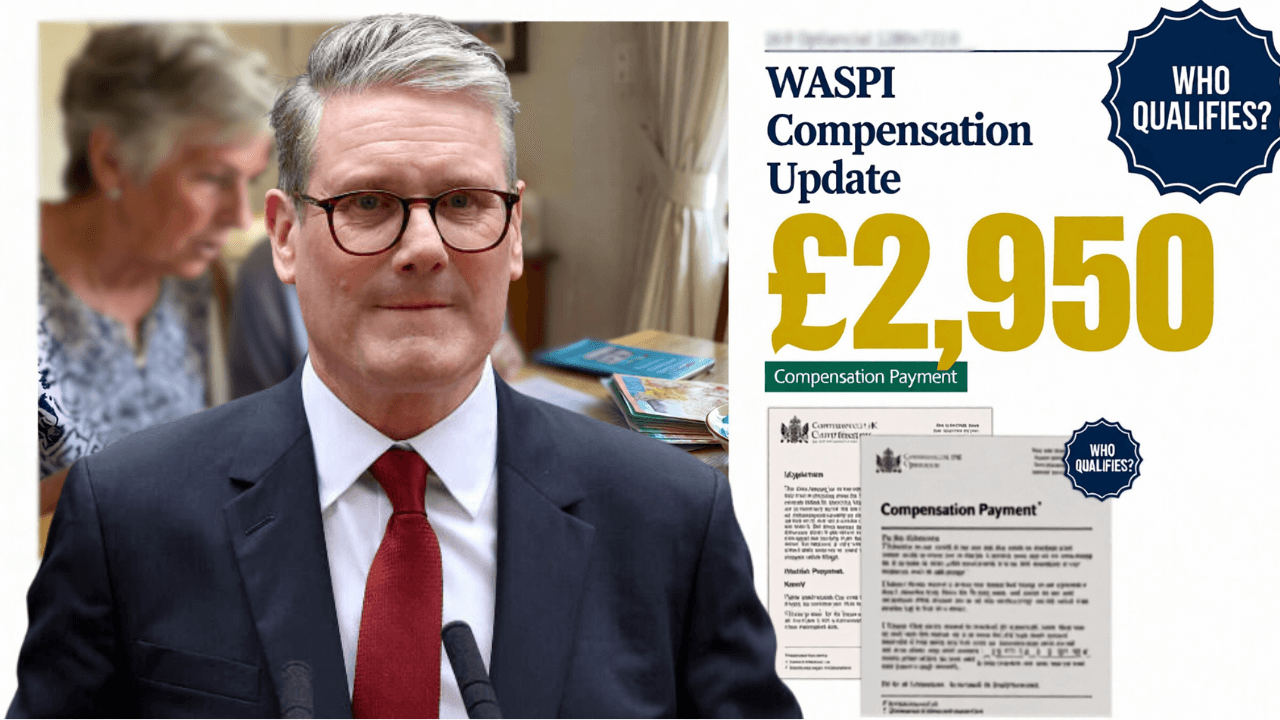
Recent updates have highlighted the possibility of compensation payments around £2,950 for some women impacted by changes to the State Pension age. While the topic remains complex, understanding the background of the WASPI campaign and the role of government departments can help clarify what the developments mean.
What the WASPI campaign is about
The WASPI campaign was created to represent women who were affected by changes to the State Pension age introduced through pension reforms in the 1990s and later adjustments in the 2010s.
Many women born in the 1950s discovered that their retirement age had increased, meaning they would have to wait longer to receive their pension payments.
Campaigners argued that the changes themselves were not necessarily the issue, but that the communication surrounding the changes was inadequate.
As a result, many women claimed they had not received enough notice to prepare financially for a later retirement age.
The campaign group Women Against State Pension Inequality has spent years raising awareness of the issue and advocating for compensation.
How the State Pension age changed
Historically, the State Pension age in the UK was different for men and women.
For many years, women could claim the pension at age 60, while men had to wait until age 65. However, reforms were introduced to equalise the pension age for both genders.
These reforms gradually increased the retirement age for women so that it aligned with the age for men.
Later policy changes increased the State Pension age for everyone as life expectancy rose and the population aged.
These changes were introduced through legislation passed by Parliament and implemented by the UK welfare system.
The role of the Department for Work and Pensions
Responsibility for administering pensions and many welfare benefits lies with the Department for Work and Pensions.
This department manages a wide range of support programmes, including pensions, disability benefits and income support schemes.
When pension policies change, the DWP is responsible for implementing those changes and communicating them to the public.
Because of this role, the department has been central to discussions surrounding the WASPI issue.
Why compensation has been discussed
The discussion about compensation emerged largely from concerns about how the pension age changes were communicated to affected women.
Some campaigners argued that many women did not receive adequate notice about the shift in retirement age.
As a result, they claimed that financial planning for retirement became more difficult.
The debate has focused on whether those affected should receive compensation due to the lack of timely communication rather than the policy change itself.
This distinction has been important in discussions among policymakers and legal experts.
The Ombudsman investigation
The issue was examined by the Parliamentary and Health Service Ombudsman, which investigates complaints about government departments.
The Ombudsman reviewed how the pension age changes were communicated and whether the government handled the situation appropriately.
Following the investigation, the Ombudsman concluded that there had been shortcomings in how information was provided to the public.
This finding led to recommendations that compensation for affected individuals should be considered.
What the £2,950 figure refers to
Reports mentioning compensation of around £2,950 refer to potential payments that could be offered to women affected by the communication failures.
It is important to note that figures discussed in public debates often represent suggested compensation levels rather than confirmed universal payments.
Compensation proposals can vary depending on how policymakers choose to implement recommendations.
Different groups may receive different amounts depending on the severity of the impact they experienced.
Who could potentially qualify
Eligibility for any compensation scheme would likely depend on specific criteria related to age and pension history.
Women born in certain years during the 1950s have been the primary group associated with the WASPI campaign.
These individuals were among those whose State Pension age changed under the reforms.
If compensation were implemented, policymakers would likely define eligibility based on the birth years most affected by the communication issues.
However, the final eligibility rules would depend on decisions made by the government.
The financial impact on affected women
For some women, the changes to the pension age created unexpected financial challenges.
Many had planned to retire at a certain age based on earlier expectations about when the State Pension would begin.
When the pension age increased, some individuals found themselves needing to continue working longer or rely on other forms of income.
Others may have used personal savings to bridge the gap until their pension payments began.
Because of these challenges, the issue has remained a major topic in discussions about retirement fairness.
The importance of clear communication in policy
The WASPI debate highlights the importance of clear communication when governments introduce major policy changes.
Retirement planning often takes place over many years or even decades.
If policies affecting pensions change, individuals need sufficient notice to adjust their financial plans.
Effective communication ensures that citizens understand how policy decisions may affect their future.
It also helps prevent misunderstandings that can lead to long‑running disputes.
The broader pension policy landscape
Pension policy in the UK continues to evolve as governments respond to demographic changes and economic pressures.
Increasing life expectancy means that pension systems must adapt to ensure long‑term sustainability.
Balancing fairness, affordability and stability is one of the biggest challenges faced by policymakers.
Institutions responsible for overseeing pension systems must consider both current retirees and future generations when shaping policy.
Because pensions affect millions of people, changes are often closely scrutinised by the public.
Why the issue remains in the spotlight
The WASPI debate has continued to attract attention because it raises questions about fairness, communication and financial planning.
For affected women, the issue is deeply personal and connected to retirement security.
Campaign groups have continued to raise awareness and advocate for solutions that address the challenges faced by those impacted.
Meanwhile, policymakers must consider how best to respond while maintaining a sustainable pension system.
Key points to remember
The WASPI campaign represents women affected by changes to the State Pension age
Communication of pension reforms has been a central issue in the debate
The Department for Work and Pensions administers the pension system
The Ombudsman investigation highlighted communication failures
Compensation discussions remain part of ongoing policy conversations
Final thoughts
The debate surrounding potential WASPI compensation reflects a complex intersection of pension policy, government communication and financial planning for retirement. While the idea of compensation payments such as £2,950 has attracted attention, the final outcome depends on policy decisions made by government leaders and Parliament.
For women affected by the pension age changes, the issue remains an important part of the broader conversation about fairness and transparency in public policy. As discussions continue, staying informed about official announcements and understanding how the pension system works can help individuals navigate the evolving landscape of retirement policy in the United Kingdom.